Kurzantwort
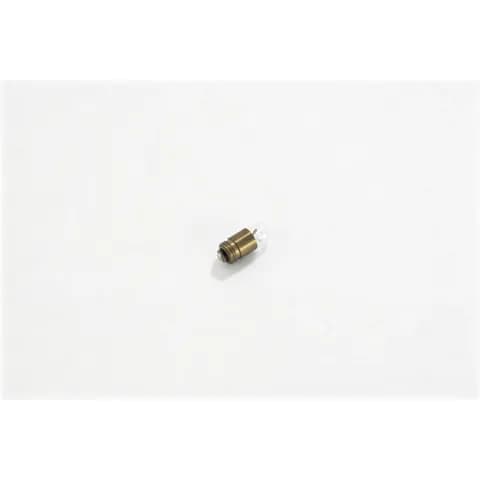
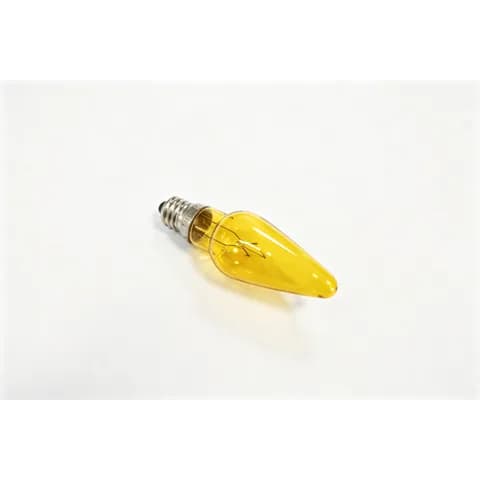
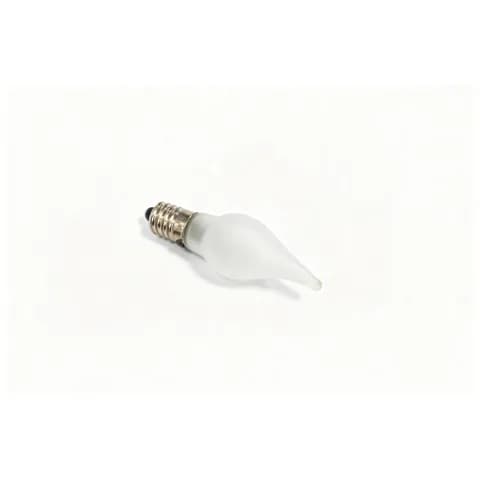
To identify a miniature bulb, record the base type, voltage, wattage, glass shape, overall size, bottom contacts, printed markings and application. A clear photo of the old bulb and socket usually improves RFQ accuracy.
Vergleich
| Identifier | Why it matters |
|---|---|
| Base | Determines whether the bulb can physically fit the socket |
| Voltage | Must match the equipment circuit |
| Wattage | Affects brightness, heat and load |
| Glass shape and size | Determines whether it fits inside covers, lenses or panels |
| Contact layout | Important for bayonet, flange and wedge types |
Identifikation
Photograph the bulb from the side, bottom and top.
Measure overall length and maximum glass diameter.
Record any printed code, voltage or wattage.
Identify the socket application: indicator, appliance, vehicle, marine, decorative or equipment panel.
Prüfpunkte für Einkäufer
Send photos with a ruler when possible.
Share the equipment model if the bulb is used as a replacement part.
List annual or order quantity for bulk sourcing.
Confirm by RFQ when the old bulb has no readable marking.
Per RFQ bestätigen
Identification from photos can narrow the options, but final selection depends on socket fit, circuit requirement and application. Confirm by RFQ before bulk purchase.
Häufige Fehler
Only sending a front photo and hiding the base.
Using approximate size names without measurements.
Ignoring whether the bulb is AC, DC, LED, neon, halogen or incandescent.
FAQ
What photo is most useful?
A side photo, bottom-base photo and marking photo are the most useful for RFQ review.
Can AOTENG identify a bulb without markings?
AOTENG can review photos and dimensions, but missing voltage or wattage should be Confirm by RFQ.
Should I measure the glass or base?
Measure both. Base fit and envelope clearance can both decide compatibility.
Quellen und Grenzen
- AOTENG product catalog - Product and specification reference
- AOTENG procurement support - RFQ and sourcing guidance