Direct answer
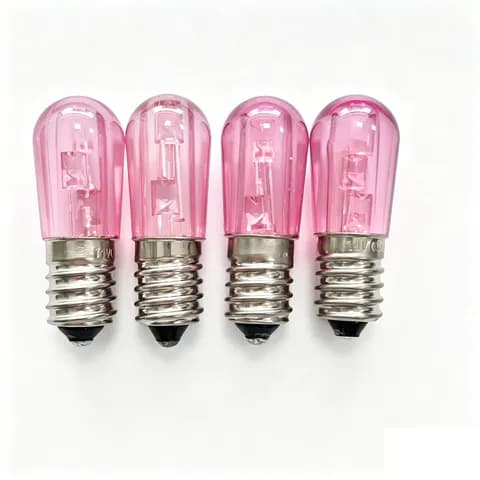
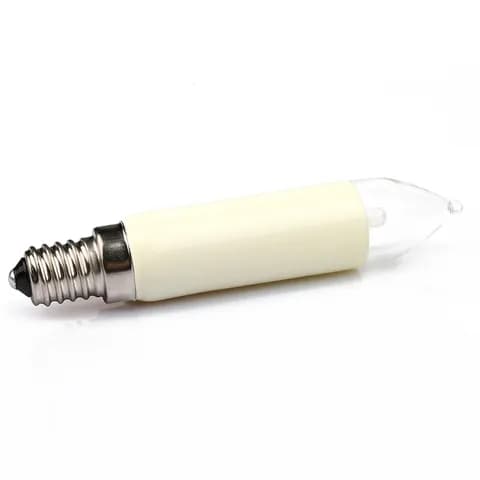
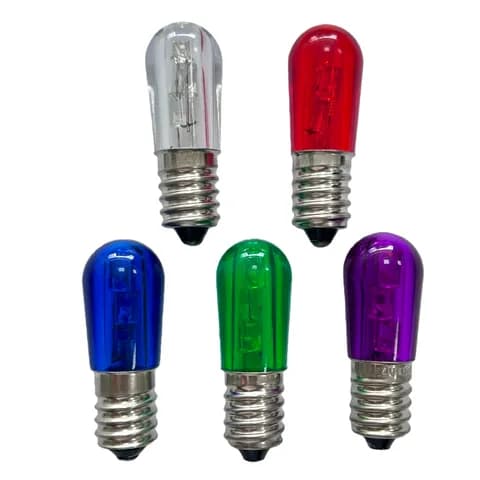
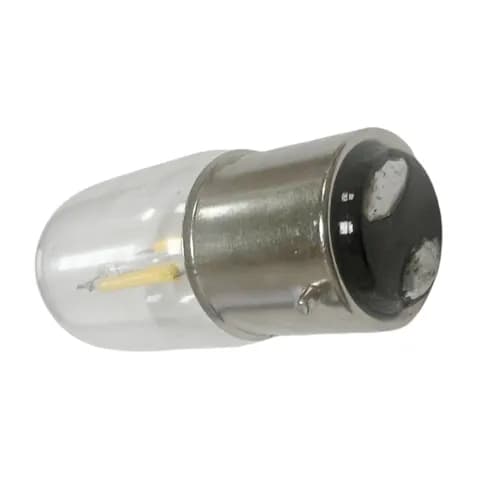
Custom bulb development should begin with a clear target sample, drawing or specification. Buyers should confirm base, voltage, wattage, dimensions, appearance, application, quantity, packaging and approval route before tooling or batch production decisions.
Comparison table
| Step | Required input |
|---|---|
| Project brief | Application, target market and product goal |
| Specification | Base, voltage, wattage, size, material and appearance |
| Sample review | Old sample, drawing, photo or approved prototype |
| Commercial check | MOQ, packaging, lead time and shipment route |
| Approval | Buyer sign-off before batch production |
How to identify
Start with an old sample, drawing or target product photo.
List must-match and flexible specifications.
Define packaging and labeling needs.
Confirm sample approval before bulk production.
Buyer checks
Share quantity forecast and target market.
Confirm whether OEM branding or private label is needed.
Clarify required documents or testing.
Confirm by RFQ for tooling, lead time, MOQ and compliance claims.
Confirm by RFQ
Custom development feasibility, MOQ, tooling, test documents, lead time and final specification must be Confirm by RFQ.
Common mistakes
Requesting custom development without target specifications.
Changing critical dimensions after sample approval.
Treating prototype approval as certification.
FAQ
Can AOTENG develop custom bulbs from a sample?
A sample can help start review, but specification, quantity and application still need confirmation.
Is tooling always required?
Not always. It depends on the product design and existing component options.
When should packaging be discussed?
Before sample or production approval, especially for retail or private-label orders.
Sources and limits
- AOTENG product catalog - Product and specification reference
- AOTENG procurement support - RFQ and sourcing guidance