Direct answer
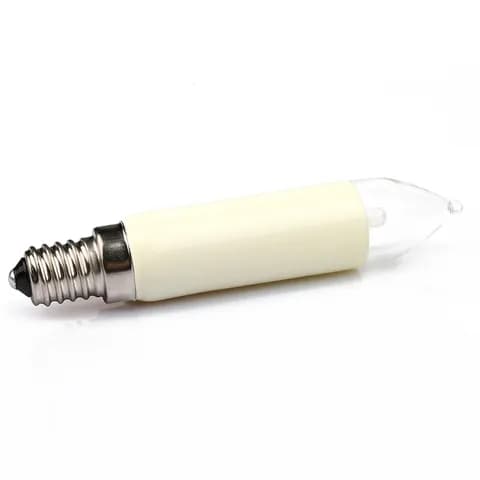
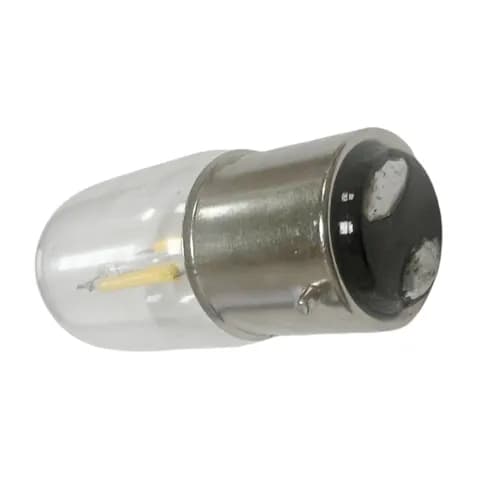
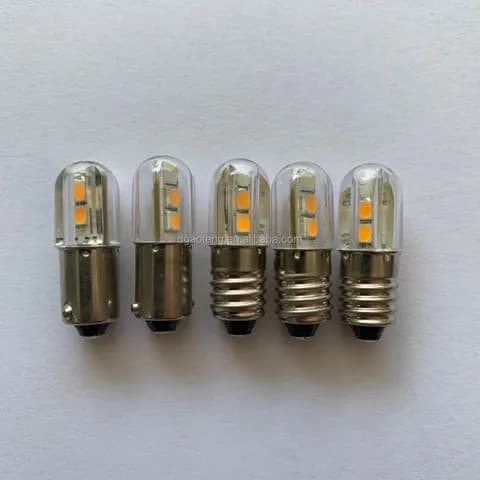
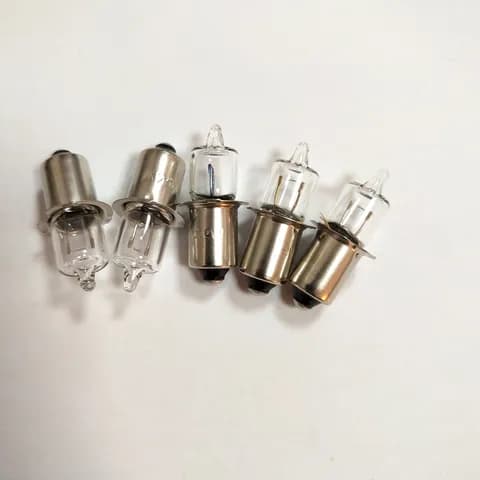
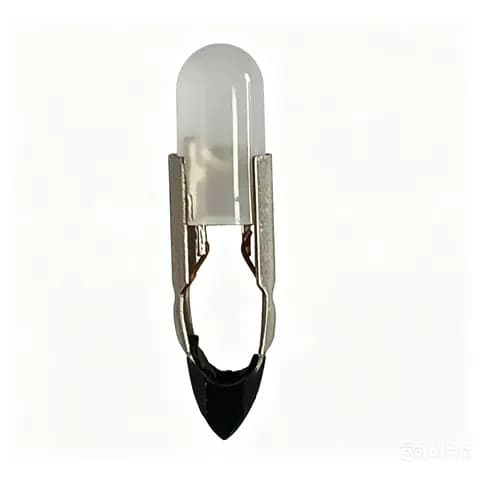
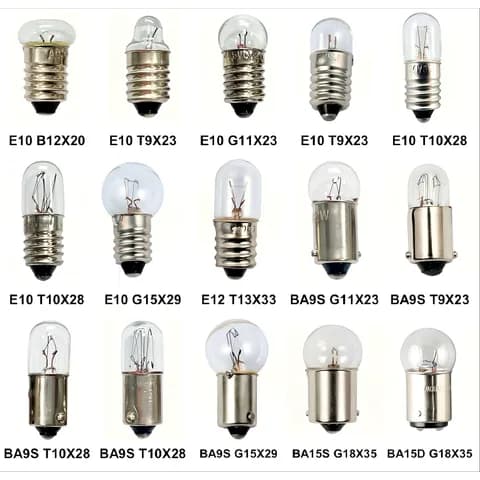
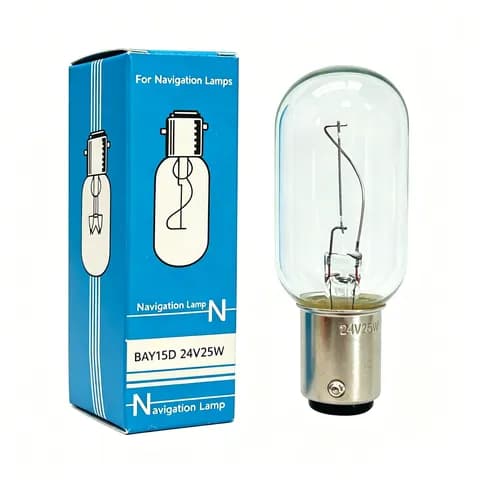
Indicator lamps are used to show equipment, panel or signal status. Buyers should match the base, voltage, wattage, color, holder depth and circuit behavior before choosing a replacement or LED alternative.
Comparison table
| Use | Specification focus |
|---|---|
| Control panels | Voltage, base, color and holder fit |
| Signal equipment | Visibility, voltage and contact layout |
| Vehicle or railway equipment | System voltage, base and approval requirements |
| LED replacement | Polarity, driver and visual output |
How to identify
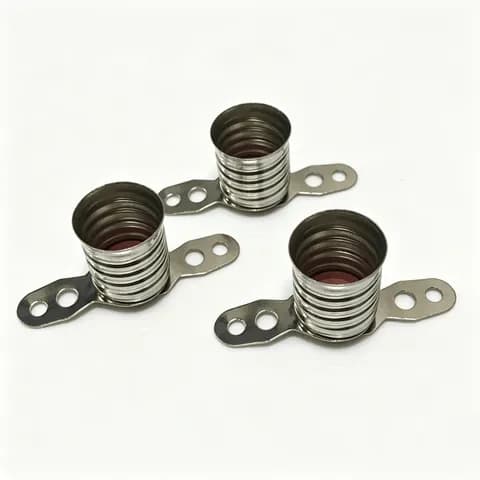
Photograph the lamp and the panel holder.
Record base, voltage, wattage and color.
Check whether the lens is colored or clear.
Share the equipment or panel application.
Buyer checks
Confirm whether the buyer needs incandescent, neon or LED.
Confirm AC/DC and polarity if relevant.
State quantity and replacement schedule.
Confirm by RFQ for circuit-sensitive replacement.
Confirm by RFQ
Indicator lamp suitability depends on circuit, lens and holder design. Final replacement should be Confirm by RFQ.
Common mistakes
Selecting only by color.
Ignoring lens color and holder depth.
Replacing with LED without checking polarity or circuit behavior.
FAQ
Are indicator lamps always LED?
No. They can be LED, incandescent, neon or other lamp types depending on application.
Does color come from bulb or lens?
It can come from either or both, so buyers should confirm the complete assembly.
What helps RFQ accuracy?
Base, voltage, wattage, color, holder photo, quantity and application.
Sources and limits
- AOTENG product catalog - Product and specification reference
- AOTENG procurement support - RFQ and sourcing guidance