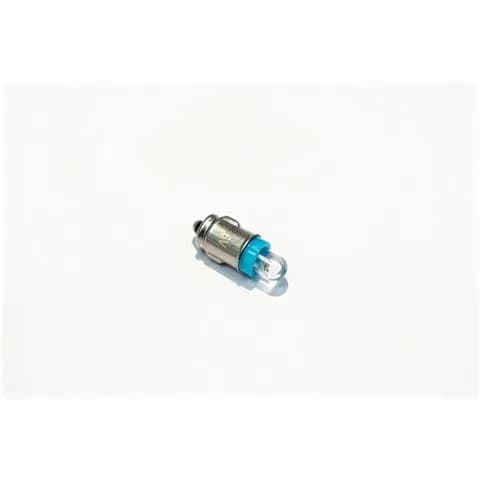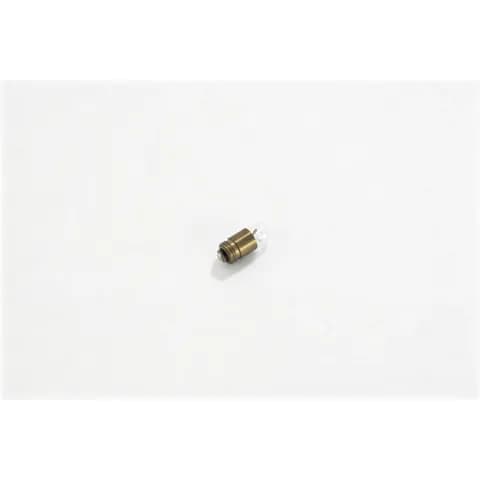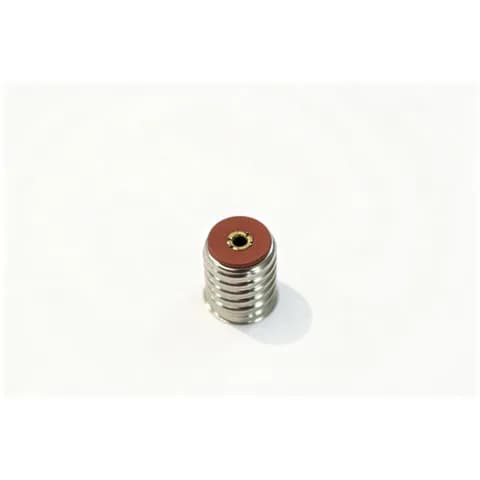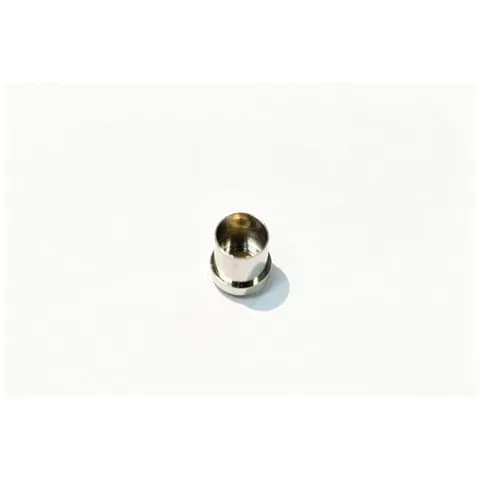
Direct answer
Medical-device lighting should be specified from the existing equipment requirement: base, voltage, wattage, dimensions, circuit behavior and intended equipment use. Physical fit does not establish device approval, clinical suitability or regulatory compliance. Confirm by RFQ and the equipment owner before replacement or bulk sourcing.
Comparison table
| Check | Why it matters |
|---|---|
| Electrical specification | Voltage, wattage and circuit behavior must match the equipment requirement |
| Base and dimensions | The lamp must fit the holder and available instrument space |
| Light output | Brightness, color and beam behavior may affect equipment visibility or operation |
| Operating environment | Heat, duty cycle, enclosure and cleaning conditions can affect suitability |
| Approval boundary | Device approval and clinical suitability must be confirmed by the buyer or equipment owner |
How to identify
Record the old lamp base, voltage, wattage, dimensions and any printed marking.
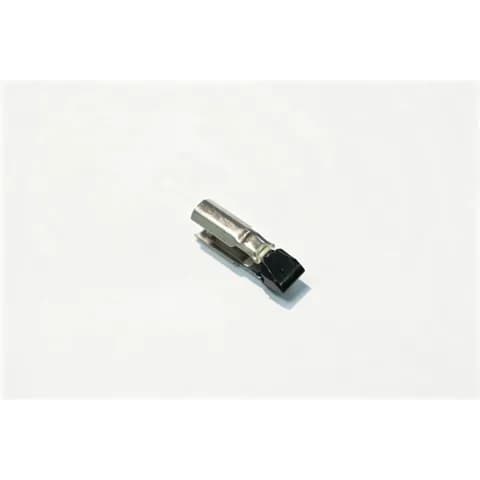
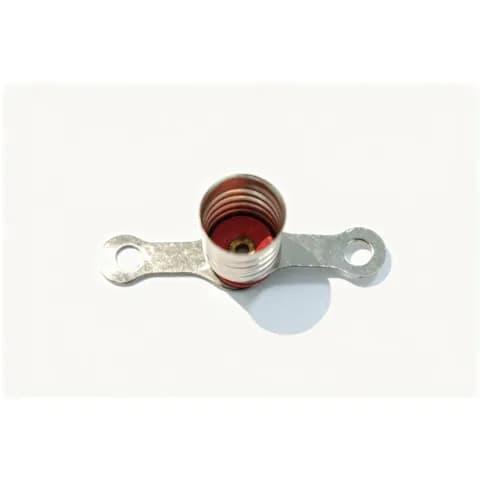
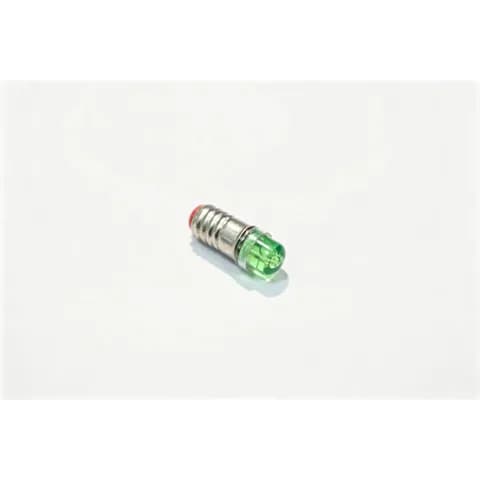
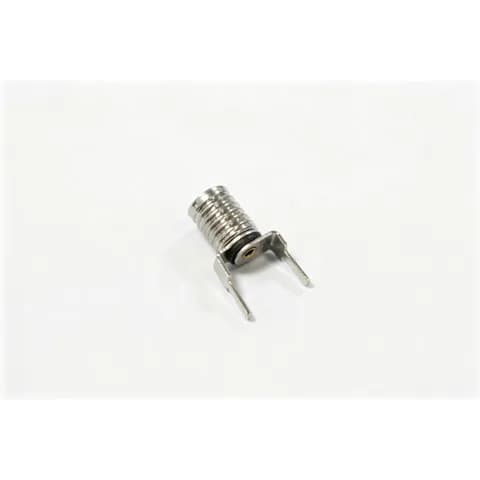
Photograph the lamp, holder and equipment location from more than one angle.
Describe whether the lamp is for indication, instrument illumination, display or another equipment function.
Check the equipment manual or owner specification before selecting a replacement.
Buyer checks
Provide equipment model, application and target lamp specification.
Confirm voltage, wattage, base, dimensions and any color or brightness requirement.
State any environmental, documentation or approval requirement.
Confirm by RFQ before using a substitute in medical or diagnostic equipment.
Confirm by RFQ
AOTENG can review supplied lamp specifications and quote candidate products. Device approval, regulatory compliance, clinical suitability and final equipment compatibility must be confirmed by the buyer, equipment owner or qualified authority.
Common mistakes
Assuming a lamp is suitable for medical equipment because it physically fits.
Treating product-category wording as proof of device or clinical approval.
Replacing an instrument lamp without checking voltage, heat or optical requirements.
FAQ
Can a standard miniature bulb be used in medical equipment?
Do not assume so. Physical fit alone does not establish equipment compatibility, approval or suitability.
What should a medical-device lamp RFQ include?
Include equipment model, old lamp photos, base, voltage, wattage, dimensions, function, quantity and any documentation requirement.
Can AOTENG approve a lamp for clinical use?
No. Device approval and clinical suitability must be confirmed by the buyer, equipment owner or relevant authority.
Sources and limits
- AOTENG product catalog - Product and specification reference
- AOTENG procurement support - RFQ and sourcing guidance