Direct answer
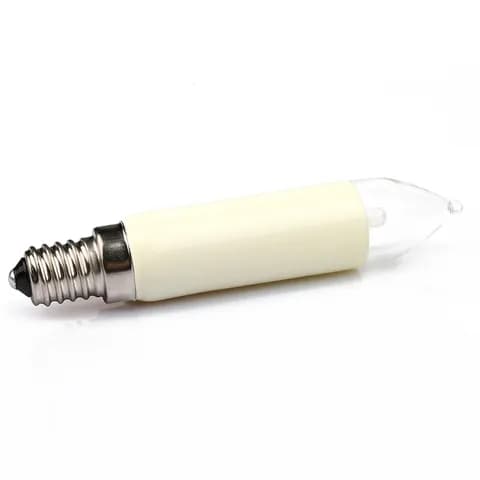
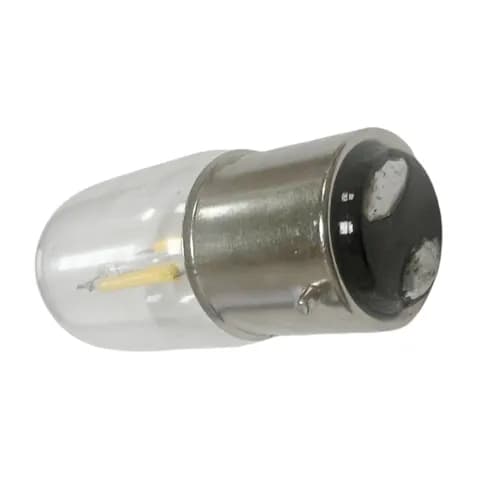
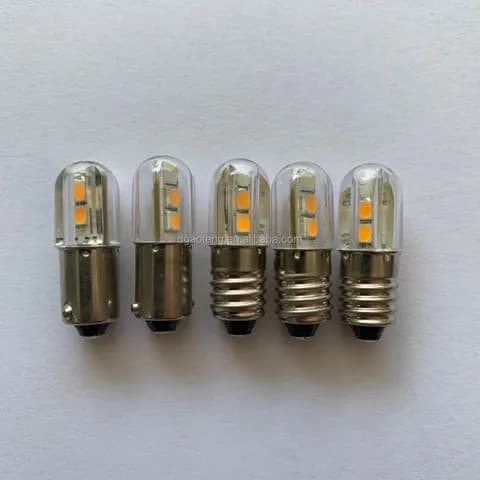
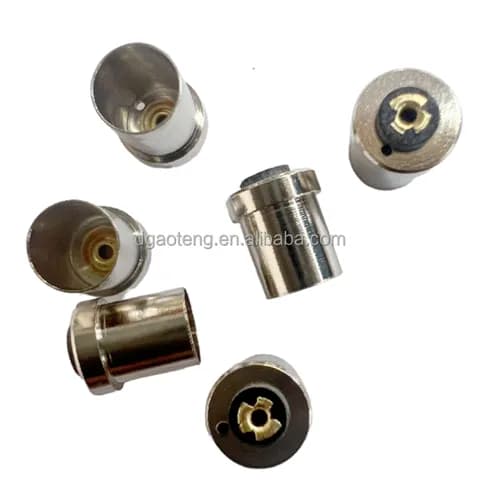
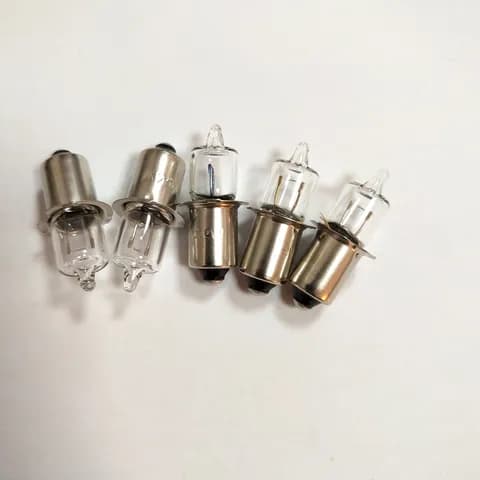
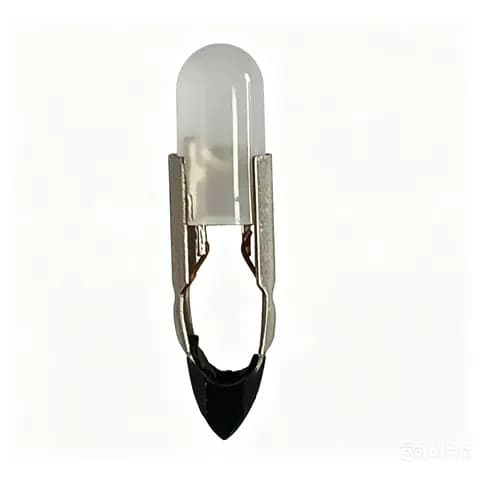
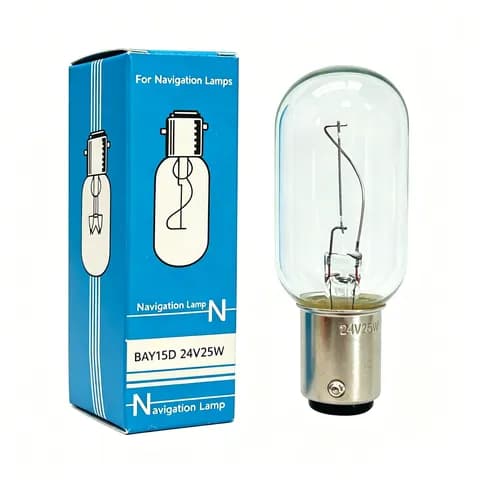
Miniature lamps are small specialty bulbs used in indicators, equipment, decorative lighting, vehicles and replacement programs. They should be specified by base, voltage, wattage, size, lamp type and application rather than by size name alone.
Comparison table
| Family | Common buyer check |
|---|---|
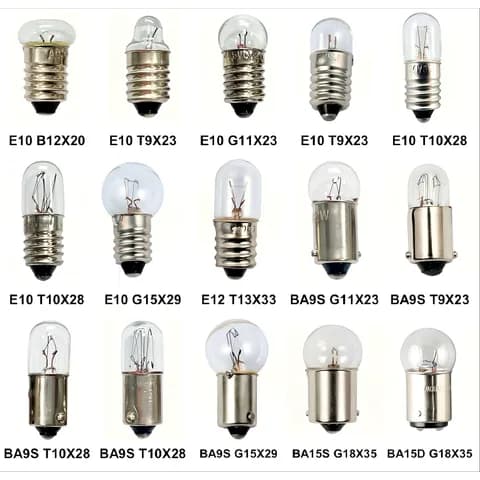
| Screw base | Confirm E5, E10, E12, E14 or other size |
| Bayonet | Confirm pin layout and contact count |
| Wedge or flange | Confirm holder style and dimensions |
| LED version | Confirm voltage, polarity and appearance |
| Incandescent version | Confirm wattage, heat and glass size |
How to identify
Identify the base family first.
Record voltage and wattage.
Measure length and maximum diameter.
Describe the application and operating environment.
Buyer checks
Share old bulb photos and holder photos.
Confirm annual or batch quantity.
State whether OEM marking or packaging is needed.
Confirm by RFQ when only a legacy code is available.
Confirm by RFQ
Miniature lamp is a broad product family. AOTENG can narrow options from sample details, but exact specification must be Confirm by RFQ.
Common mistakes
Using miniature lamp as a complete specification.
Ignoring base contact layout.
Assuming LED conversion without sample testing.
FAQ
What makes a lamp miniature?
It generally refers to small-format specialty bulbs, but exact size and base must still be specified.
Which bases are common?
E10, E5, BA9S, BA15, wedge, flange and wire-ended styles are common examples.
Can AOTENG quote from a photo?
Photos help, but voltage, wattage and dimensions should also be provided.
Sources and limits
- AOTENG product catalog - Product and specification reference
- AOTENG procurement support - RFQ and sourcing guidance