Direct answer
Choose an oven bulb by matching the original base, voltage, wattage and glass size. Oven applications may involve heat and fixture constraints, so Confirm by RFQ before bulk ordering or cross-replacement.
Comparison table
| Check | Why it matters |
|---|---|
| Base | The socket must match the bulb thread or holder |
| Voltage | Must match appliance electrical requirements |
| Wattage | Affects heat and brightness |
| Glass size | Must fit behind covers or lenses |
| Application | Oven use may require application-specific review |
How to identify
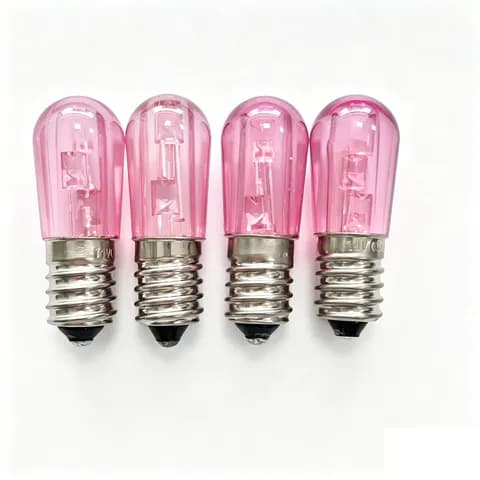
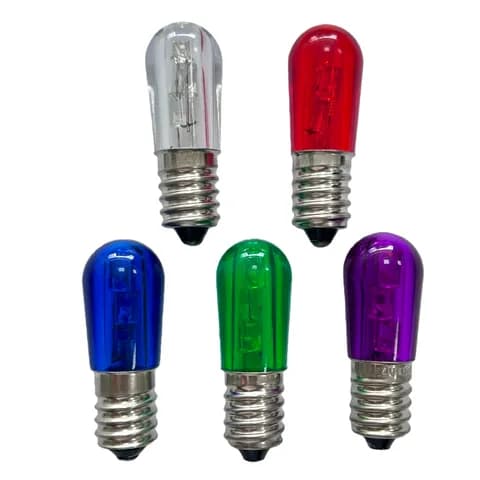
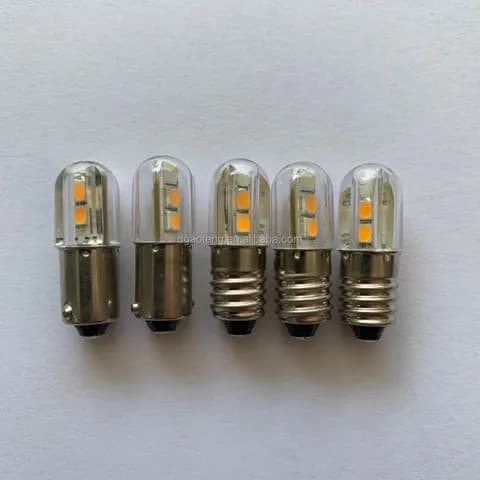
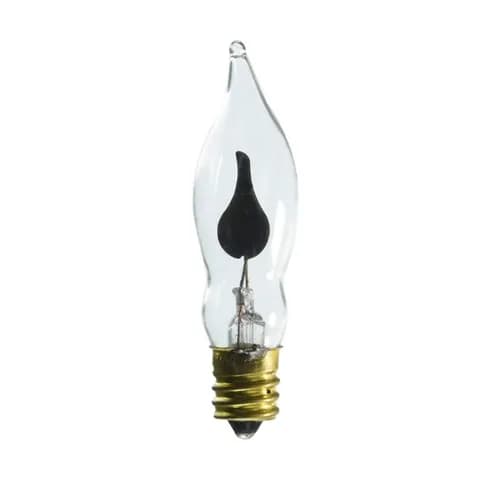
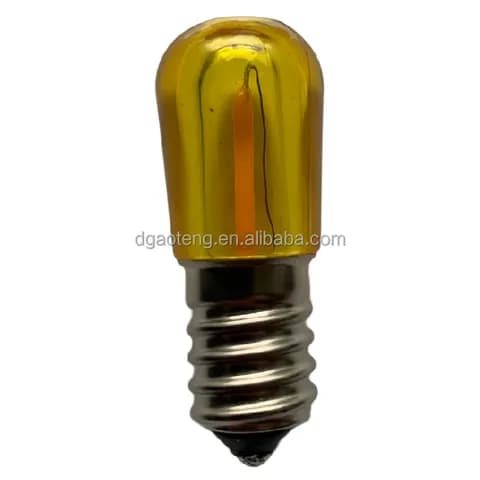
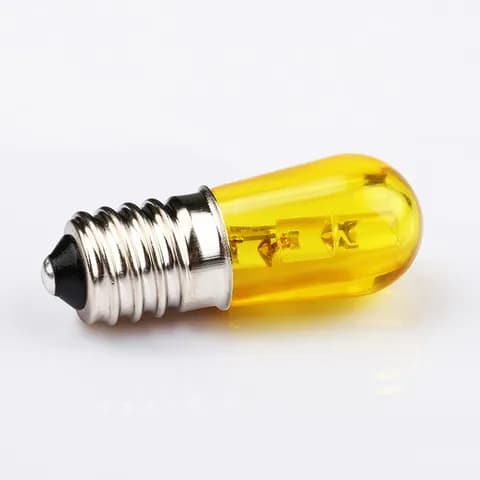
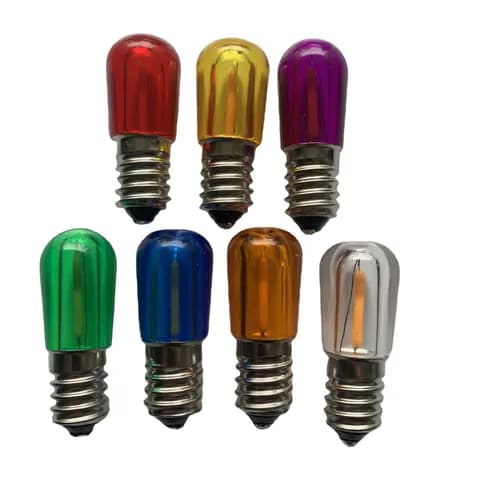
Record the old bulb base, commonly shown on the bulb or measured from the screw.
Read the voltage and wattage marking.
Measure the glass diameter and total length.
Check whether the appliance has a cover, lens or tight installation space.
Buyer checks
Send old sample photos and appliance application.
Confirm base, voltage, wattage and size.
State order quantity and packaging requirement.
Confirm by RFQ for heat-sensitive or appliance-specific use.
Confirm by RFQ
AOTENG does not infer appliance approval from base size alone. Heat tolerance, appliance fit and required approvals must be Confirm by RFQ.
Common mistakes
Choosing by shape only.
Assuming any E14 bulb is suitable for oven use.
Ignoring the lens clearance or cover depth.
FAQ
Can any E14 bulb be used in an oven?
No. Base size alone is not enough. Confirm voltage, wattage, size and appliance suitability.
What should an oven bulb RFQ include?
Include old bulb photos, base, voltage, wattage, dimensions, quantity and appliance application.
Can AOTENG confirm heat rating automatically?
Only when reliable specification data is provided. Otherwise it should be Confirm by RFQ.
Sources and limits
- AOTENG product catalog - Product and specification reference
- AOTENG procurement support - RFQ and sourcing guidance