Direct answer
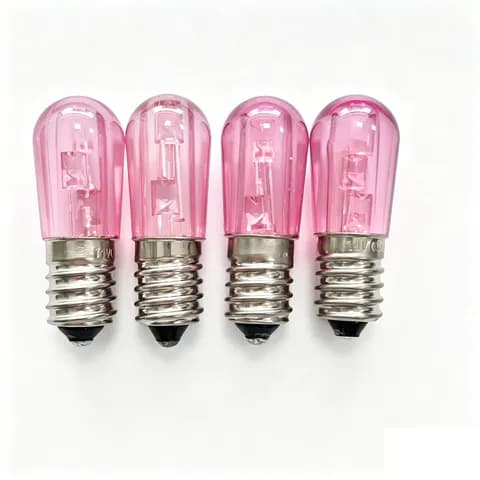
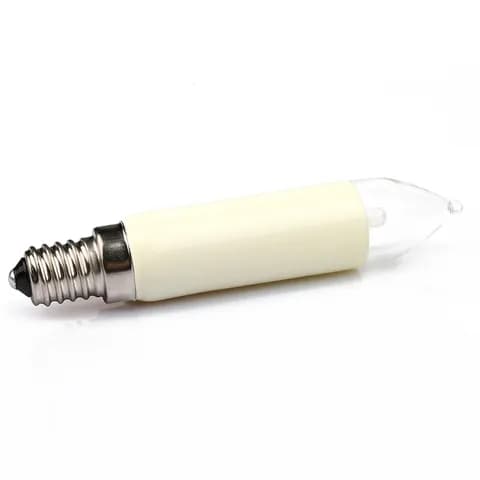
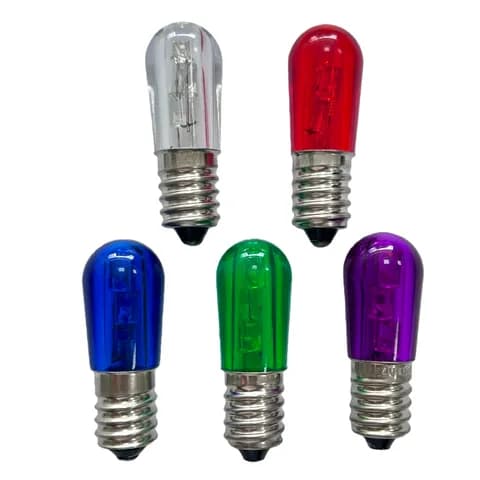
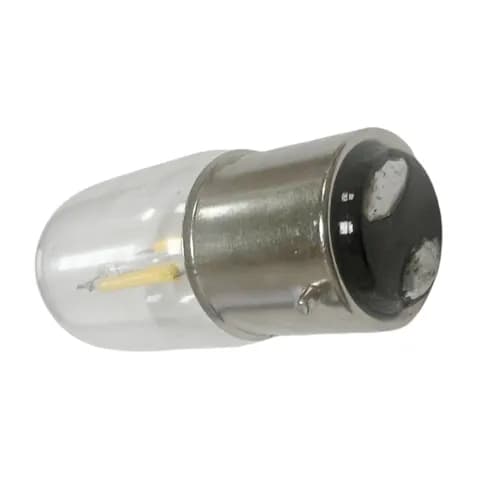
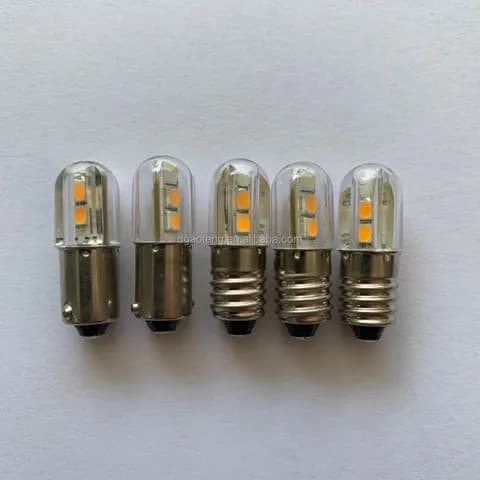
Miniature bulb inspection usually reviews appearance, dimensions, base fit, electrical specification, marking and packaging. The exact inspection standard should be agreed during RFQ or sample approval.
Comparison table
| Inspection area | What to confirm |
|---|---|
| Appearance | Glass, cap, solder, color and visible defects |
| Dimensions | Base, length, diameter and holder fit |
| Electrical | Voltage, wattage and basic function checks |
| Marking | Model, rating or buyer-required label |
| Packing | Inner packing, carton and shipment protection |
How to identify
Set an approved sample or reference drawing.
Confirm critical dimensions and electrical values.
Define packaging and labeling expectations.
Record buyer-specific inspection points before production.
Buyer checks
Share any incoming inspection checklist.
Confirm whether photos, samples or reports are required.
State critical dimensions and tolerance concerns if available.
Confirm by RFQ for formal test reports or third-party inspection.
Confirm by RFQ
Inspection scope and documents vary by product and order. Formal reports, certification and test standards must be Confirm by RFQ.
Common mistakes
Assuming every order needs the same inspection level.
Treating catalog category as a certification claim.
Leaving packaging checks until after production.
FAQ
What is checked before shipment?
Typical checks include appearance, function, base fit, marking and packing, depending on RFQ.
Can AOTENG provide certificates for every item?
Do not assume so. Certificates must be supported by actual documents or Confirm by RFQ.
Can buyers specify inspection points?
Yes. Buyers should share critical requirements before sample approval or production.
Sources and limits
- AOTENG product catalog - Product and specification reference
- AOTENG procurement support - RFQ and sourcing guidance