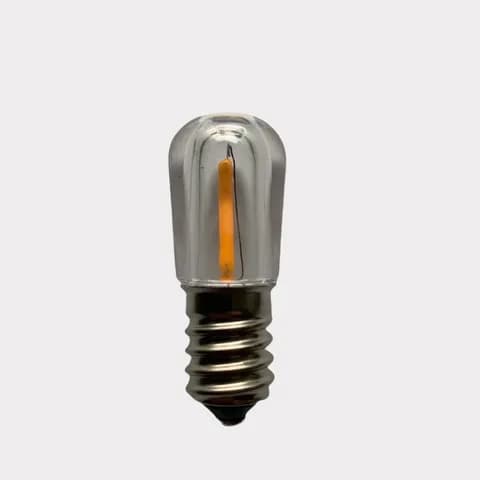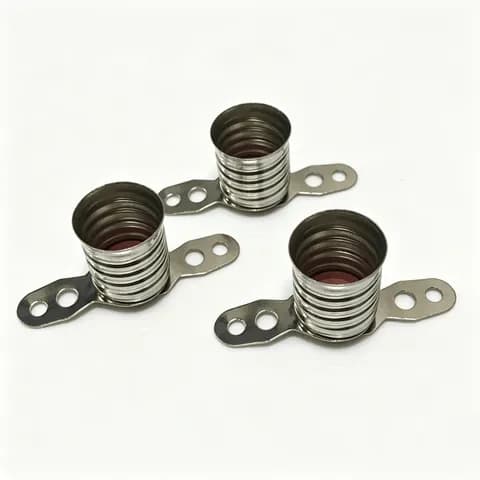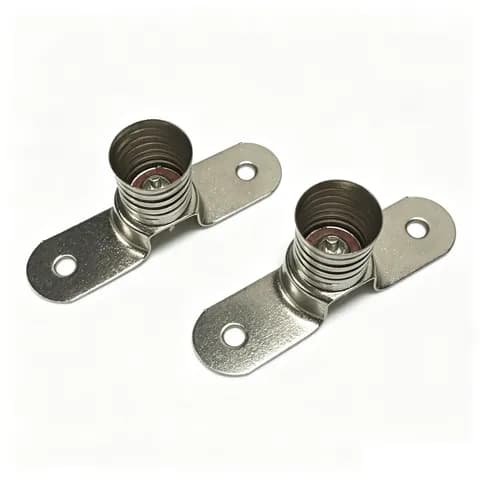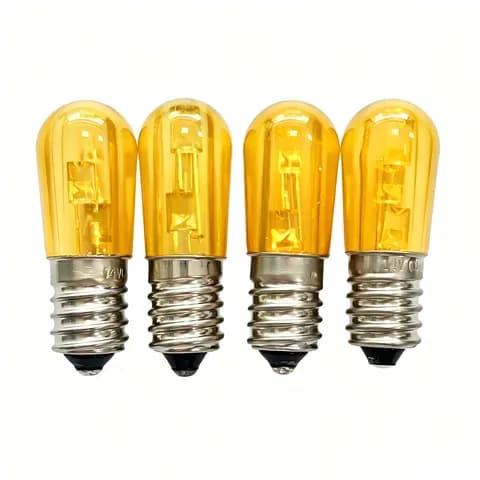
Direct answer
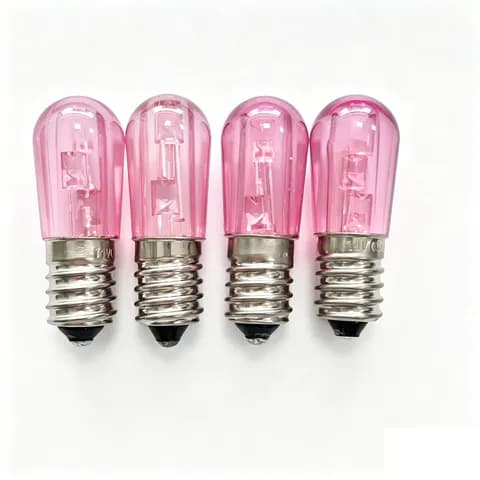
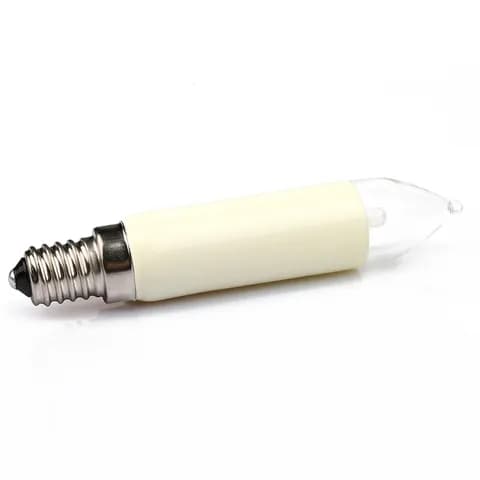
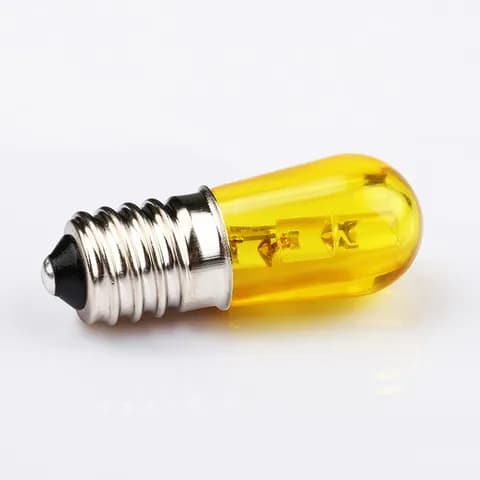
Schwibbogen lighting often uses small decorative replacement bulbs, commonly including E10-style miniature bulbs, but buyers should not order by the fixture name alone. Confirm base, voltage, wattage, lamp shape, appearance and set circuit before RFQ.
Comparison table
| Check | Buyer action |
|---|---|
| Base | Confirm whether the old bulb is E10 or another base |
| Voltage | Check the arch or light set electrical requirement |
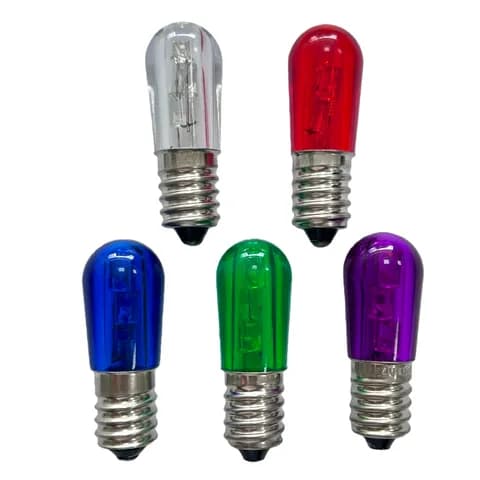
| Appearance | Review warm light, filament, LED or ripple effect by sample |
| Dimensions | Confirm clearance in candle-style holders |
| Packaging | Seasonal retail programs may need custom packing |
How to identify
Remove one old bulb and photograph the base and full shape.
Read any marking on the bulb or adapter.
Measure length and diameter.
Share whether the buyer wants LED, incandescent or same-as-sample replacement.
Buyer checks
Confirm fixture voltage and bulb count if part of a set.
State target market and packaging route.
Review sample appearance before bulk seasonal order.
Confirm by RFQ for LED replacement, dimming or set compatibility.
Confirm by RFQ
Schwibbogen applications are appearance-sensitive and may use different circuits. AOTENG can quote by sample and specification, but final fit and visual approval must be Confirm by RFQ.
Common mistakes
Assuming all Schwibbogen bulbs are the same E10 specification.
Choosing LED only by base without testing visual appearance.
Ignoring seasonal lead time and packaging needs.
FAQ
Do all Schwibbogen lamps use E10 bulbs?
No. E10 is common in some decorative miniature applications, but the actual base must be confirmed.
Can LED be used in Schwibbogen lighting?
Potentially, but color, brightness, polarity, driver and set behavior should be tested.
What should importers send?
Send sample photos, base, voltage, wattage, quantity, target market and packaging requirements.
Sources and limits
- AOTENG product catalog - Product and specification reference
- AOTENG procurement support - RFQ and sourcing guidance