Direct answer
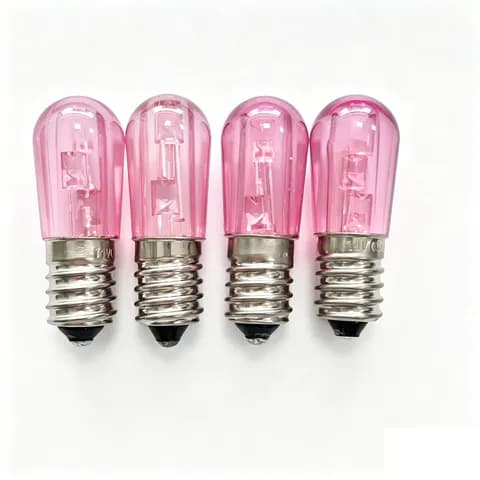
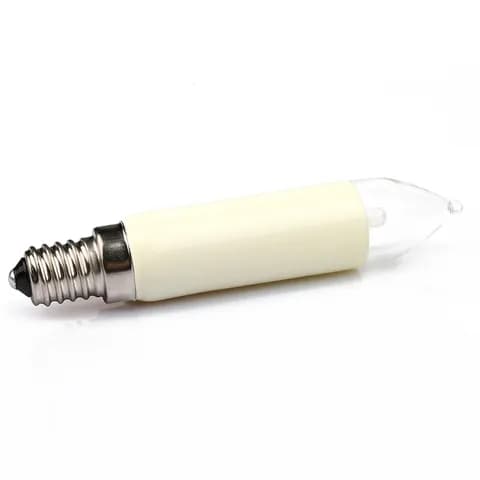
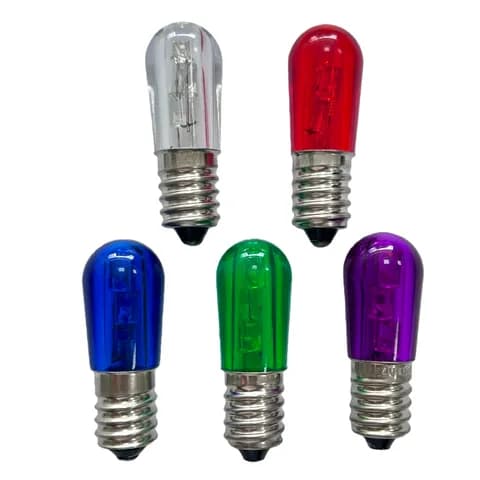
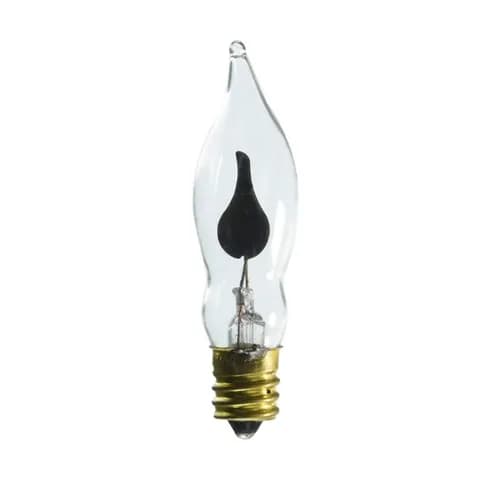
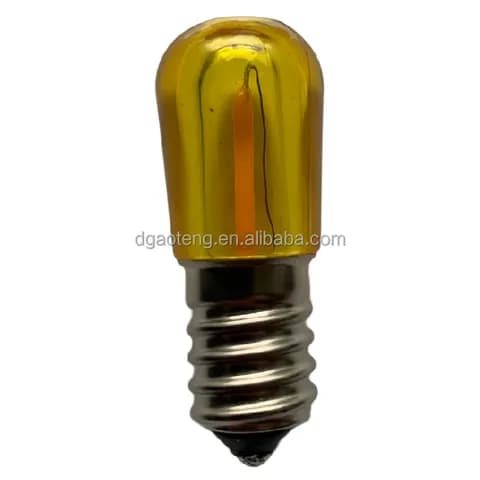
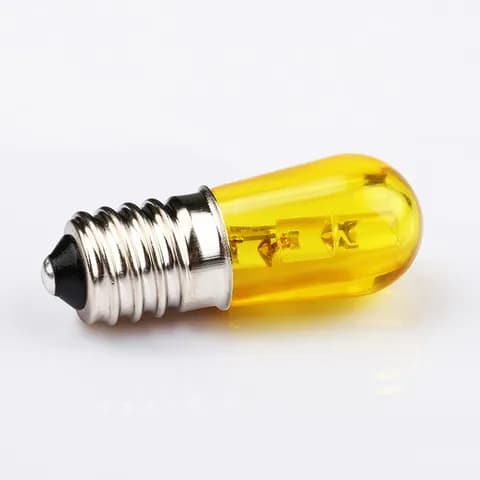
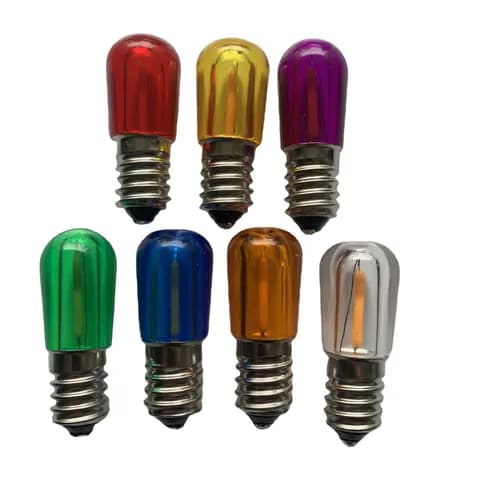
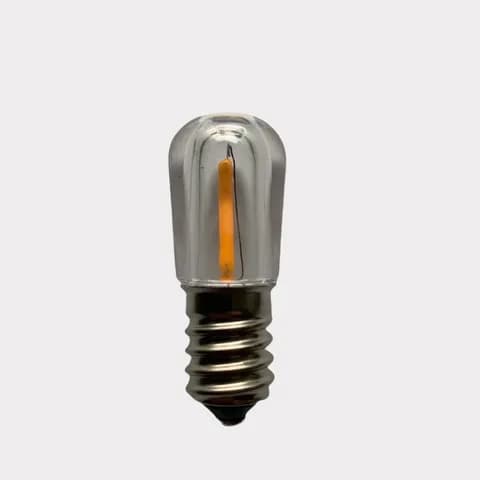
A ripple bulb is commonly used to describe a decorative miniature bulb with a textured or shaped visual effect. Buyers should confirm the exact base, voltage, wattage, color, glass or cover shape and decorative application before ordering.
Comparison table
| Check | Why it matters |
|---|---|
| Base | Ripple bulbs may be supplied with different small bases |
| Voltage | Decorative sets can use different circuit voltages |
| Appearance | Ripple effect, color and finish should be reviewed by sample |
| Size | Decorative fixtures may have tight clearance |
| Lamp type | LED and incandescent versions may look different |
How to identify
Photograph the old ripple bulb from the side and base.
Record base, voltage and wattage if marked.
Describe the decorative fixture or product it is used in.
Share target appearance requirements such as warm light, clear cover or colored cover.
Buyer checks
Confirm base and electrical requirement.
Request sample review for decorative appearance.
State packaging and seasonal order timing.
Confirm by RFQ when the term ripple refers to a customer-specific design.
Confirm by RFQ
Ripple bulb terminology can vary by buyer and market. AOTENG should confirm the physical sample, appearance target and electrical specification by RFQ.
Common mistakes
Treating ripple bulb as a universal technical standard.
Ordering without sample confirmation for appearance-sensitive products.
Ignoring set voltage in decorative strings or arches.
FAQ
Is ripple bulb a standardized lamp base?
No. It usually describes appearance, so base and electrical details must be confirmed.
Can ripple bulbs be LED?
They can be, but LED appearance and circuit requirements should be reviewed by sample.
What is needed for a ripple bulb quote?
Send photos, base, voltage, wattage, quantity, target appearance and packaging needs.
Sources and limits
- AOTENG product catalog - Product and specification reference
- AOTENG procurement support - RFQ and sourcing guidance